


Losing Weight Through Exercise Alone
When it comes to managing your weight, it’s worth looking at both what you eat and how much you move. Exercise uses energy, but the amount varies with the activity, its intensity and duration, and your individual circumstances. Trying to lose weight through exercise alone can therefore be challenging.
If you’re new to exercise, starting with long or demanding sessions can also feel daunting. A routine that leaves you exhausted or uncomfortable may be difficult to keep up. Choose a manageable starting point and build up gradually.
It’s also worth noticing whether your eating habits change when you become more active. You may feel hungrier or find yourself having extra snacks after a workout. Rather than treating food as something to earn through exercise, consider your meals, snacks and activity as a whole.
Can exercise alone lead to weight loss?
Weight loss generally involves using more energy than you take in over time. Physical activity contributes to energy expenditure, but changes in appetite, food intake and other factors can affect the outcome. Results vary, and exercise alone does not guarantee weight loss.
Instead of chasing rapid results, focus on changes you can realistically maintain. A manageable routine that becomes part of everyday life is a more practical starting point than an intensive programme you struggle to keep up.
Build habits that fit your life
Eating habits and physical activity are among several factors that influence body weight. Genetics, health conditions, medicines, sleep and personal circumstances can also play a part. Weight management is therefore more complex than simply deciding to overhaul your lifestyle.
Start with one change that feels achievable. If it'S a short distance, consider walking instead of driving, or spend some time on an exercise bike while watching your favourite show. Choose an activity you enjoy and adapt it to your fitness and circumstances.
Once that change feels comfortable, consider another small step. You could try a different activity, move more often during the day or gradually extend your sessions. There’s no need to change everything at once. The aim is to build a routine you can keep up, rather than work towards a fixed calorie-burning target.
Progress will look different for everyone. Regular movement can be worthwhile even when the number on the scales changes little, so give yourself credit for the habits you develop as well as any changes in weight.
Eat enough to meet your needs
Being active does not mean you should neglect your food intake. Your body still needs adequate energy and nutrients, including carbohydrates, protein and fats. A varied, balanced diet should remain the foundation of your approach.
Whether you need a meal or snack after exercise depends on factors such as the length and intensity of the session, when you last ate and your overall nutritional needs. There is no blanket rule that you should skip food after a lighter workout. If you need help balancing exercise and weight management, seek advice from a qualified dietitian or healthcare professional.
Rather than turning to a crash diet or an exhausting exercise plan, choose realistic changes to your meals and activity that you can maintain. Allow time to find what suits you, and make enjoyment and consistency part of the plan.
Latest reviews
-

-

Rapunzel Organic Dried Cranberries, 250 g
- Sweet and sour
- Beautiful deep red colour
- Refined with concentrated apple juice
-

-
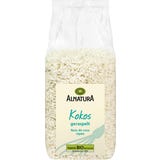
Alnatura Organic Grated Coconut, 200 g
- Aromatic ingredient
- Organic quality
- For biscuits, muesli & more
Magazine Articles:
Discover VitalAbo:
-
Ireland: Free standard delivery from € 64,90
-
Free
returns More than 10.900 products
Secure payments
with SSL encryption technology