


Medex - A Global Ambassador
Beekeeing heritage & expertise
Slovenia’s bees: From the imperial court in Vienna to global ambassador for nature
Beekeeping has a centuries-old tradition in Slovenia. In 1770, Slovenian beekeeper Anton Janša became the first imperial teacher of beekeeping at the school established by Empress Maria Theresa in Vienna. Drawing on his experience in Carniola, now part of Slovenia, he helped shape modern beekeeping methods.
The Carniolan bee: Part of Slovenia’s heritage
Much has changed since Janša’s time, but beekeeping remains an important tradition in Slovenia today. Slovenia proposed the creation of World Bee Day on 20 May, the date associated with Janša’s birth. The United Nations proclaimed the day in 2017, and the first celebration took place in 2018.
Slovenia’s beekeeping traditions, bee products and beekeeping tourism offer opportunities to learn about the Carniolan bee (Apis mellifera carnica). They also provide an introduction to the role of pollinators and the challenges they face, including exposure to harmful pesticides.
Beekeeping tradition meets modern product development
The Slovenian company Medex produces food supplements containing bee products such as propolis, royal jelly and pollen. Its range includes liquid propolis formulations and products supplied in glass vials. Ingredients, formulations and directions for use vary by product.
A recognised cultural tradition
In December 2022, UNESCO inscribed “Beekeeping in Slovenia, a way of life” on its Representative List of the Intangible Cultural Heritage of Humanity. This recognition concerns Slovenia’s beekeeping knowledge, skills and traditions. It is not a certification or endorsement of individual brands or products.
UNESCO’s description of the tradition refers to around 200,000 bee colonies and highlights the controlled breeding of Carniolan queen bees. This subspecies of the western honeybee (Apis mellifera) is known for its gentle temperament and good orientation skills.
Making informed choices
If you are interested in bee products such as honey or propolis, check the information available about their ingredients and origin. When a company states that purchases support bee conservation or research, look for details of the project, the contribution made and how its results are reported.
Good to know. People have gathered honey and worked with bees for thousands of years. Honeybees and other pollinators play an important role in the pollination of many food crops and wild plants. Their importance extends far beyond the products found in a hive: they are part of the ecosystems on which agriculture and wildlife depend.
Latest reviews
-

Sponser Sport Food Senior Protein, Chocolate (455 g)
- Rich in collagen & HMB
- Gluten-free
- Enriched with vitamin D
-
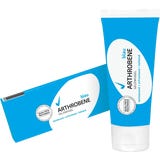
Arthrobene Blue Joint Gel, 60 ml
- With devil's claw & lemon oil
- Without preservatives
- Contains Camphor & Menthol
-
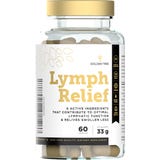
Golden Tree Lymph Relief, 60 capsules
- With 6 active ingredients
- High-quality plant extracts
- Supplemented with kelp
-
Magazine Articles:
-
Ireland: Free standard delivery from € 64,90
-
Free
returns -
We operate in a
climate-conscious manner. More than 10.700 products